• Skip to primary navigation
  • Skip to main content
Velocity Ascent

Velocity Ascent

Looking toward tomorrow today

  • Research
  • Design
  • Development
  • Strategy
  • About
    • Home
    • Who we work with…
      • Product Leaders
      • Innovation Teams
      • Founder-Led Organizations
    • Services
    • Contact Us
  • Show Search
Hide Search

the Blog

Digital Mapping: Where are we going?

velocityascent · February 20, 2024 ·

Enterprise, Open-Source, and Nonprofit Initiatives

Digital mapping refers to the process of creating, manipulating, analyzing, and visualizing geographic data using digital technology. It involves the use of specialized software and tools to represent spatial information accurately and effectively.

Geospatial technology allows individuals and organizations to create maps, analyze spatial relationships, and make informed decisions based on geographic data. It encompasses various techniques such as satellite imagery, GPS data, and geographic information systems (GIS) to accurately depict and understand the physical world in a digital format.

A brief history of digital mapping

Historically, mapping has been a fundamental human endeavor, dating back thousands of years. Early civilizations created maps to navigate their surroundings, record land ownership, plan settlements, and depict geographic features. These early maps were often hand-drawn on materials such as parchment, clay tablets, or paper.
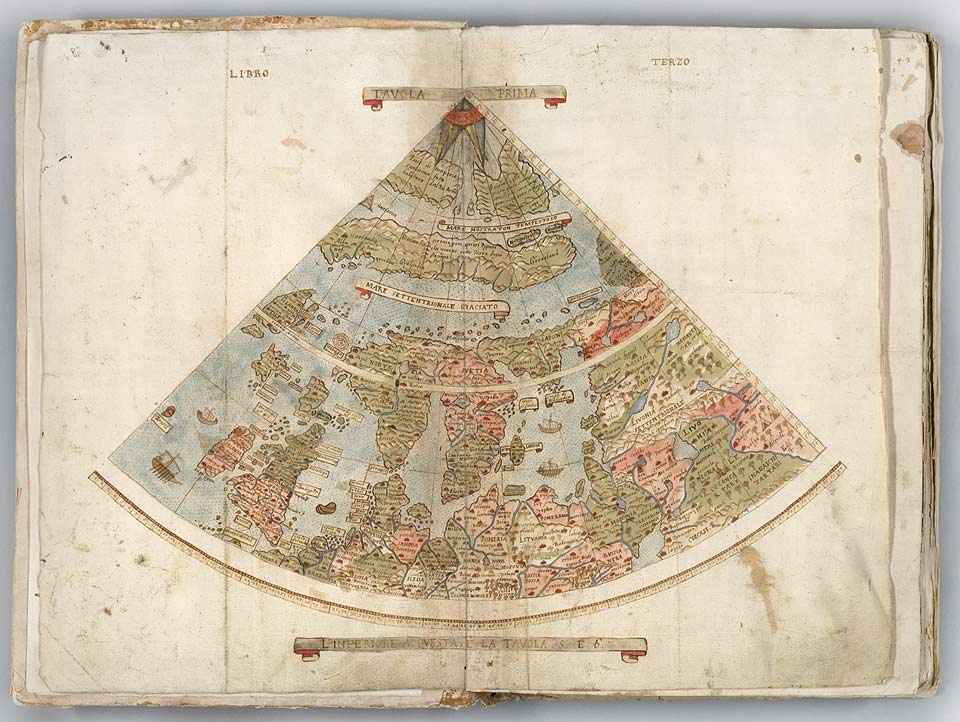
The David Rumsey Historical Map Collection

The evolution of digital mapping can be traced back to the invention of technologies such as the compass, sextant, and telescope, which enabled more accurate measurements of geographic locations and shapes. The development of printing presses in the 15th century allowed for the mass production of maps, making them more accessible to a wider audience.

The advent of computers in the 20th century revolutionized the field of cartography, leading to the creation of digital mapping systems and Geographic Information Systems (GIS). Early computerized mapping systems were developed for specialized applications such as military planning and urban planning.
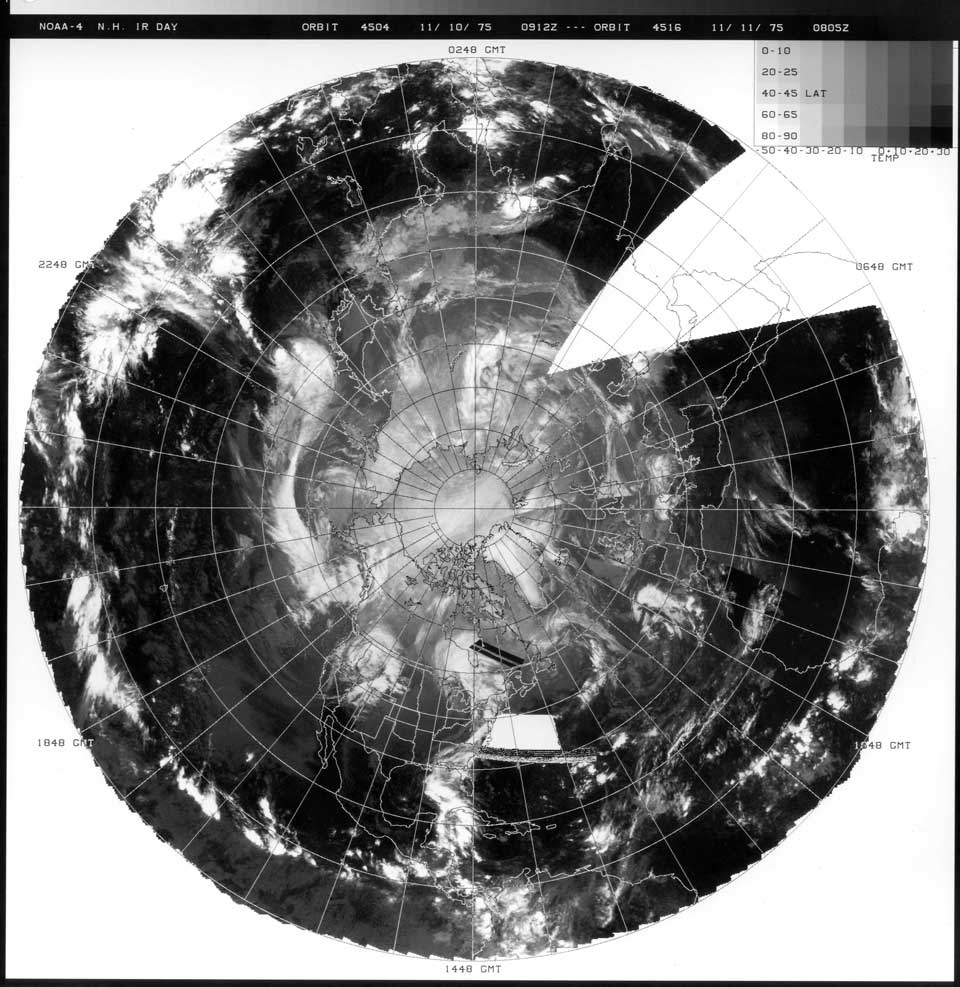
NOAA Satellite “Edmund Fitzgerald Storm” 11/11/1975

Over time, advancements in computer technology, satellite imagery, remote sensing, and data processing capabilities have fueled the rapid growth and sophistication of digital mapping.

Current Applications in use

Today, digital mapping encompasses a wide range of technologies and applications, from web-based mapping services to complex GIS software used for spatial analysis and decision-making in various industries.

Enterprise Solutions: Leading the charge in the enterprise realm is Esri, renowned for its comprehensive Geographic Information System (GIS) software suite. Esri’s ArcGIS Online platform empowers businesses with powerful mapping capabilities, spatial analytics, and data visualization tools. Alongside Esri, Mapbox offers enterprise-grade mapping solutions, providing customizable maps, geocoding services, and navigation APIs tailored for businesses. Additionally, Google Maps Platform stands out with its vast array of mapping tools, including Maps JavaScript API, Geocoding API, and Places API, catering to diverse enterprise needs.

Open-Source Solutions: In the realm of open-source online mapping, OpenStreetMap (OSM) reigns supreme as a collaborative mapping project powered by a global community. OSM provides free, editable maps and geospatial data that can be utilized for various applications. Leaflet emerges as a popular open-source JavaScript library for interactive maps, offering simplicity, flexibility, and compatibility across different platforms. Another noteworthy solution is GeoServer, an open-source server-side software for sharing and editing geospatial data, ideal for building dynamic mapping applications.

Nonprofit Mapping Initiatives: Nonprofit organizations also play a crucial role in advancing online mapping initiatives. The Humanitarian OpenStreetMap Team (HOT) stands at the forefront, leveraging volunteer contributions to map vulnerable areas and support disaster response efforts worldwide. Ushahidi, a nonprofit tech company, offers an open-source platform for crowdsourced mapping and data collection, enabling communities to share critical information during crises. Moreover, Global Forest Watch (GFW) provides an online platform for monitoring and analyzing global forest landscapes, empowering conservation efforts through data-driven insights.

Native OS Mobile Apps

In addition to web applications, several native OS apps enrich the online mapping landscape:

  • Esri ArcGIS Explorer: A native app available for iOS and Android devices, offering mobile access to GIS data, maps, and tools for field data collection and visualization.
  • Google Earth Pro: A desktop application providing advanced mapping features, 3D visualization, and historical imagery for spatial analysis and exploration.
  • QGIS (Quantum GIS): An open-source desktop GIS application supporting multiple platforms, allowing users to create, edit, visualize, and analyze geospatial data.

Online mapping continues to redefine how we perceive and interact with spatial data through leveraging the power of GIS for audience insights, harnessing community-driven mapping projects, or supporting humanitarian efforts.

AI-Powered Modern Software Tools

velocityascent · February 10, 2024 ·

Is it possible to leverage artificial intelligence to craft flawless and intuitive digital journeys?

The term “AI-powered modern tools” encompasses a wide range of software and hardware innovations that leverage artificial intelligence to enhance their capabilities and efficiency. These tools can be found across various industries and sectors including; Automation, Robotics, Healthcare, Biotechnology, Finance and Business, Creative Arts, Transportation, Logistics, Information Technology, Cybersecurity, Education, Research, Communication, Language, Entertainment, Media, Smart Home and Internet of Things (IoT). This post will focus on the touch-point of Human and interface and some of the best practices applied today.

“In today’s digital age, where technology and innovation continue to reshape the way we interact with the world, the importance of a seamless user experience cannot be overstated. “

Whether it’s browsing a website, using a mobile app, or engaging with digital content, users expect nothing less than a flawless and intuitive journey. At the heart of this transformative experience lies the meticulous craftsmanship of professionals who understand the intricate dance between design, technology, production, and user satisfaction. Their dedication to adhering to best practices not only ensures that every element harmonizes effortlessly but also lays the groundwork for the integration of cutting-edge technology, including Artificial Intelligence (AI).

In this blog post, we delve into the profound impact of AI on design and production processes, highlighting how it enhances efficiency, creativity, and, ultimately, the user experience. Through the lens of copywriting, graphic design, user interface design, and video scripting, we explore the synergy between human expertise and artificial intelligence, illuminating the path to a brighter and more user-centric digital future.

Here are three examples of how AI has impacted, some say positively, various design and production processes used today:

  1. Copywriting: AI-powered copywriting tools have revolutionized content creation. These tools use natural language processing algorithms to generate high-quality and engaging written content. They can analyze user preferences, search trends, and competitor data to produce relevant and optimized content. Benefits include:
    • Time and Cost Savings: AI can generate content faster than humans, saving time and reducing the cost of hiring copywriters.
    • Consistency: AI ensures consistent tone and messaging across all content.
    • Multilingual Content: AI can produce content in multiple languages, broadening the reach of businesses.
    Example: Tools like GPT-3 can create blog posts, product descriptions, and marketing copy with minimal human intervention.
  2. Graphic Design:AI has brought efficiency and innovation to graphic design. AI-driven design platforms can automate repetitive tasks, create custom graphics, and suggest design elements. Benefits include:
    • Automation: AI automates tasks like resizing images, cropping, and background removal, saving designers time.
    • Personalization: AI can generate personalized design recommendations based on user preferences and behavior.
    • Data Visualization: AI can transform complex data into visually appealing infographics and charts.
    Example: Adobe’s Sensei uses AI to enhance design workflows by suggesting color palettes, layouts, and even automatically creating design variations.
  3. User Interface Design and Video Scripting:AI has also impacted user interface design and video scripting:
    • User Interface Design: AI tools can analyze user behavior to optimize interface elements, improve user experience, and enhance user engagement.Example: Adobe XD’s Auto-Animate feature uses AI to create smooth transitions and animations between UI screens.
    • Video Scripting: AI can assist in generating scripts for videos, optimizing dialogue, and even creating personalized video content.Example: Scriptbook uses AI to analyze scripts, predict their success, and provide insights for scriptwriters and filmmakers.

In all these cases, AI’s role is to augment human creativity and productivity, making design and production processes more efficient and cost-effective, while allowing human designers and creators to focus on higher-level tasks and creative decision-making. It’s a great example of how AI and human collaboration can lead to significant benefits in the design and production industry.

In the dynamic landscape of design and production, where the capabilities of AI continue to evolve, it’s crucial to strike a harmonious balance. While AI tools bring unprecedented efficiency and innovation to the table, they are at their best when guided by the discerning eye and creative genius of human professionals.

Shameless Plug:

We believe that the small, robust, and nimble team at Velocity Ascent exemplifies this synergy. Guided by an unwavering commitment to best practices, combined with a deep understanding of user needs and preferences, forms the bedrock of exceptional design and production outcomes. As we begin to harness the power of AI to streamline processes and push creative boundaries, we hope to demonstrate that the future belongs to those who can navigate the delicate interplay between technology and human skill. The positive results achieved stand as a testament to the limitless possibilities that arise when human expertise and AI tools converge to craft experiences that delight and inspire.

Want to learn more – get in touch!

Lights, Camera, Branding: The Power of Video Narratives

velocityascent · February 6, 2024 ·

Video narratives allow you to tell the exact story you want to convey to your audience.

The power of video to raise awareness and build a brand cannot be understated. A well planned strategic long-form video can educate the viewer within several minutes, or peak their interest with a short form series of 15 second clips.

Launching a new brand, creating a marketing campaign or seeking to rejuvenate an existing product line all benefit from a targeted video narrative. In this blog post, we’ll explore the art of using video but also the science of analytics to learn about the audience and respond.


The remarkable power of video
to sell a new idea.

Video has a unique ability to engage, inspire, and emotionally connect with the viewer especially with a new or complex concept. Video can quickly educate the viewer on updated technical aspects or unique features. Combining visuals, audio, and narrative to create a compelling and memorable experience about your service, product or organization. With a strategic approach, video can be a powerful tool to convey your brand’s identity and values as well.

Take a moment to watch the video below…

TCP – Climate Safe

This video was produced for The Copernicus Project as a preliminary proof-of-concept narrative of an IoT local climate security solution. Created for an audience of investors and partners it is designed to replicate what the real world experience might look like in the field.

The power of the imagery and music set the tone of technology and cutting-edge innovation. The animations convey a clear message of local conditions and the potential for monitoring and alerting to strong weather events.

The absence of a voice-over reinforces the meditative quality of the story while the music provides a steady beat for the changing imagery. For the target audience (of early investors and partners) this video functions as a defacto “Elevator Pitch” – all in less than 2 minutes.

Three samples of Video Narratives for new ideas:

1. Craft a Compelling Origin Story:

Every brand has an origin story. Use video to narrate how your brand came into existence. Share the passion, inspiration, and vision that led to its creation. A well-crafted origin story can resonate with viewers and establish an emotional connection.

2. Visualize Your Brand’s Values:

Video allows you to showcase your brand’s core values and principles in action. Whether it’s environmental sustainability, social responsibility, or innovation, use visuals to reinforce your commitment to these values.

3. Demonstrate Unique Features and Benefits:

If your brand offers a unique product or service, demonstrate its features and benefits through video. Show how it solves a problem or enhances the lives of your customers.

Re-establishing Existing Brands

The “Think Different” campaign, launched in 1997, was a pivotal moment for Apple. At that time, Apple was in a challenging position, facing competition from Microsoft and struggling with its market share. The campaign, including the “Here’s to the crazy ones” ad, was designed to reposition Apple as an innovative and forward-thinking brand.

Apple – Here’s to the crazy ones / Think Different

Internally, the ad had a profound effect on Apple’s employees and staff. At that time, the company was going through internal challenges, and the ad served as a rallying cry to reignite a sense of purpose and pride among Apple employees.

The “Think Different” campaign, including the “Here’s to the crazy ones” ad, remains one of the most iconic and memorable marketing efforts in the history of advertising and played a pivotal role in Apple’s resurgence as a brand associated with innovation and creativity.

How to Re-establish an Existing Brand with video:

1. Reimagine Your Brand Identity:

Over time, brands may evolve or reposition themselves. Video narratives provide a dynamic platform to reintroduce your brand to your audience. Showcase the transformation, explain the reasons behind it, and reignite interest.

2. Humanize Your Brand:

People connect with people, not just products or logos. Use video to put a human face on your brand. Feature employees, share their stories, and highlight the human element behind your brand’s success.

3. Address Challenges and Solutions:

If your brand has faced challenges or controversies, address them openly through video narratives. Transparency and authenticity can help rebuild trust and loyalty. Share the steps you’ve taken to overcome obstacles and improve.

Case Study in Video Brand Collage

A Video Brand Collage is a visual and audio representation that combines various video clips, images, graphics, and audio elements to create a comprehensive and engaging portrayal of a brand’s identity, values, products, or services. It serves as a dynamic and multi-dimensional way to showcase a brand’s story, personality, and offerings to its target audience.

Video Brand Collages are commonly used in digital marketing campaigns, including social media, websites, email marketing, and online advertisements. They provide a visually appealing way to communicate with audiences across various platforms.

Colt – Building a stronger America

This video brand collage was developed by Velocity Ascent to support the pre-launch of Colt’ Firearms’s Apparel line for men. The video is designed to evoke the rich colorful history of Colt and the world where it established its historical position.

Lights, camera, branding—it’s time to let your brand’s story shine on the screen – whatever form factor that might be; smartphone, handheld, laptop, desktop, TV.

The authenticity of the timeless brand elements and apparel, combined with a contemporary cinematic musical score, immediately establishes the tone and style with team members and the retail apparel community. It also provides a platform for displaying Colt’s commitment to a high quality product.

One Recipe for Effective Video Narratives:

Storytelling: Craft a compelling narrative that resonates with your target audience. Use storytelling techniques to create an emotional connection and leave a lasting impression.

Visual Excellence: Invest in high-quality visuals and production values. Engaging cinematography, graphics, and animation can elevate your brand’s image.

Authenticity and Transparency: Be authentic in your storytelling. Audiences appreciate transparency and honesty. Address both successes and challenges with a healthy reality-check.

Distribution Strategy: Develop a strategic plan for sharing your video narratives. Utilize social media, your website, email marketing, and other channels to maximize reach.

This is just one option for creating an Effective Video Narrative there are many more – each one tailored to the use and audience.

Within the myriad of values video provides as a medium, most valuable is the ability to totally control the message and meaning. Crafting a linear storyline through the brand, the experience and the unique attributes of the product or service.

Conclusion: The Future of Branding Is Visual Video

Attention spans are shrinking, and competition is fierce, video narratives have emerged as a formidable tool for brand storytelling. They can transcend language barriers, evoke a range of emotions, and create lasting impressions with your audience. By harnessing the power of video, we can collaborate and tell your brand’s story in a way that captures hearts, minds, and market share.

Shameless Plug:

The small, robust, and nimble team at Velocity Ascent excell at crafting and defining narrative videos. Guided by an unwavering commitment to best practices in storytelling, combined with a deep understanding of user needs, societal trends and preferences, forms the bedrock of exceptional design and production outcomes. Our goal is to craft stories that activate the viewer.

Want to learn more – get in touch!

Blending technical prowess with an artistic vision.

velocityascent · February 2, 2024 ·

Doug Roussin’s ability to seamlessly blend technical prowess with artistic vision makes him a sought-after collaborator.


Introduction:

Meet Doug Roussin, a dynamic and versatile creative powerhouse whose expertise spans multiple domains, from front-end web development to content creation, gaming, and music composition. With over two decades of experience in the industry, Doug brings a wealth of knowledge and innovation to every project he undertakes. His ability to seamlessly blend technical prowess with artistic vision makes him a sought-after collaborator in the worlds of technology, entertainment, and beyond.

Technical Skills and Innovation:

Doug’s technical proficiency is matched only by his unyielding drive for innovation. As a front-end web developer, he is fluent in a plethora of languages and frameworks, including WordPress, HTML/CSS, and vanilla JavaScript. But Doug doesn’t just follow trends; he sets them.

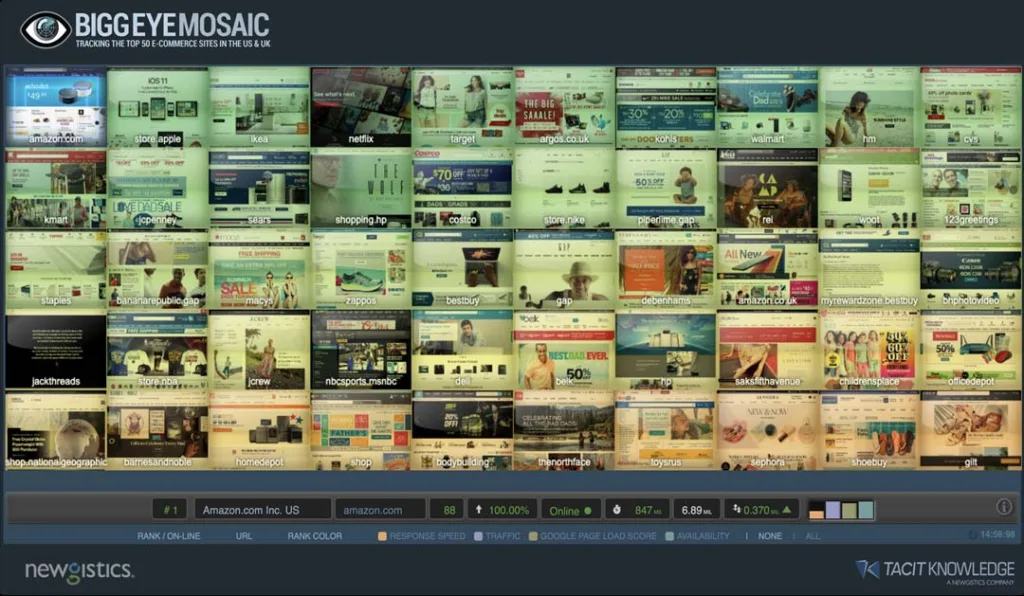
BiggEye Ecommerce tracking tool

His mastery of cutting-edge tools like React allows him to create dynamic and responsive web experiences that push the boundaries of what’s possible in digital design.

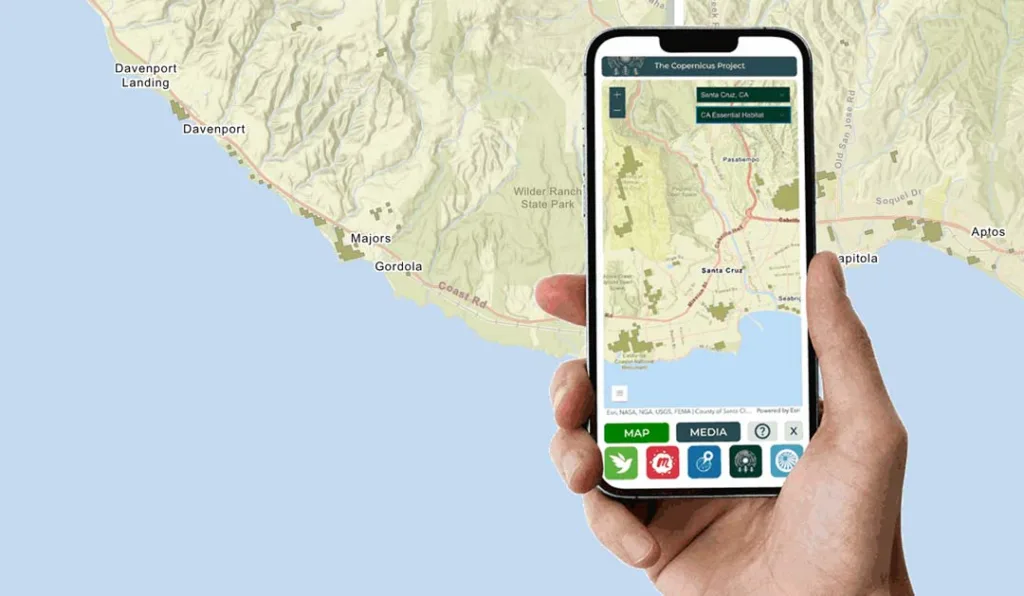
GIS Nature App proof of concept

With an insatiable curiosity for emerging technologies, Doug remains at the forefront of innovation, constantly exploring new techniques like mapping with Geographic Information Systems (GIS) and methodologies such as Agile to stay ahead of the curve. The Agile philosophy is based on twelve core principles that emphasize short iterations, continuous delivery, simplicity, retrospection, and collaboration between end-users and developers.

Gaming Expertise:

Doug’s passion for gaming transcends mere entertainment; it’s a cornerstone of his creative identity. With a proven track record in game development, Doug has brought countless virtual worlds to life, spanning educational software for Scholastic to promotional games for major brands.

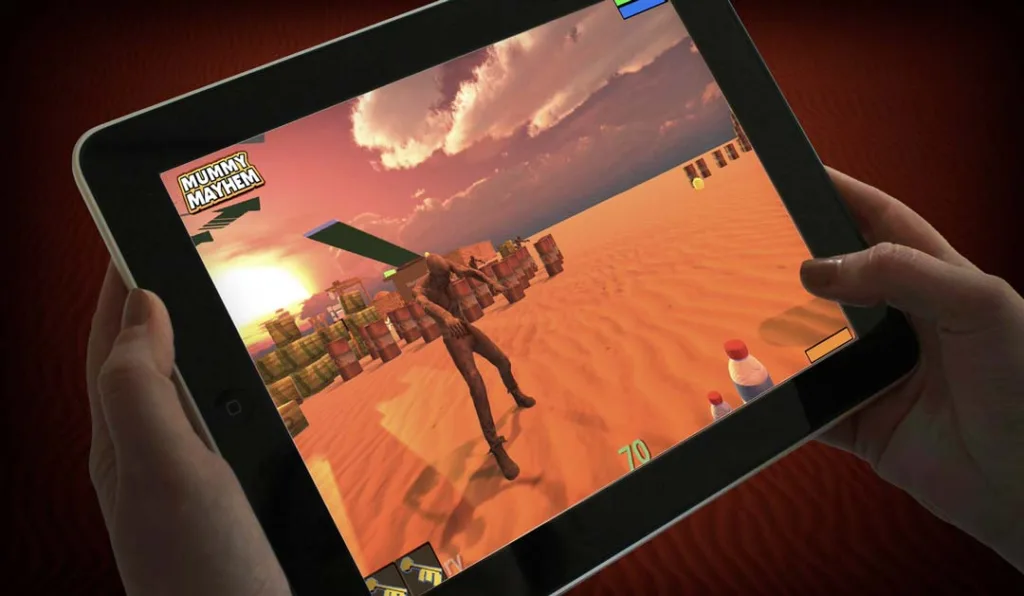
Unity based game Mummy Mayhem

His expertise in game design, programming, and asset development is unmatched, earning him recognition as a leading figure in the industry. Whether crafting immersive narratives or refining gameplay mechanics, Doug’s contributions to the gaming landscape have left an indelible mark on players worldwide.

Content Creation:

When it comes to content creation, Doug is a true visionary, breathing life into ideas through captivating animations, motion graphics, illustrations, and design work. His keen eye for detail and unparalleled storytelling ability shine through in every project, captivating audiences and leaving a lasting impression.

Pencil sketch animation produced for The Copernicus Project

From brand campaigns to multimedia experiences, Doug’s creative prowess knows no bounds, making him a trusted collaborator for brands looking to make a memorable impact through compelling visual content.

Musical Talent:

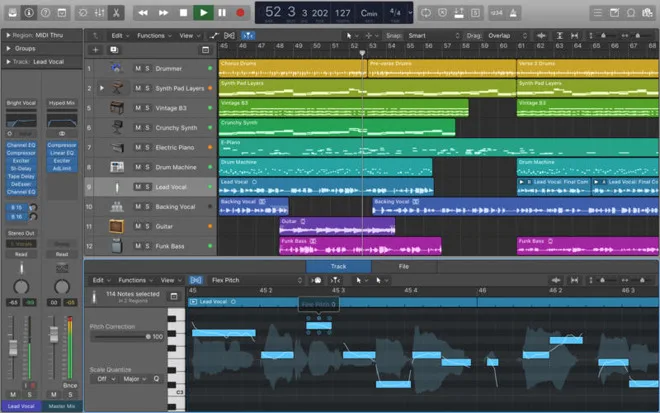
But Doug’s talents extend far beyond the digital realm. As a skilled composer and multi-instrumentalist, he brings a unique musical perspective to his projects. With proficiency in bass, guitar, keyboards, and drums, Doug adds a layer of depth and emotion to his work, elevating the overall experience for audiences.

Doug has the skills, mad skills to through down beats.

Whether crafting original soundtracks or integrating music into interactive experiences, Doug’s musical prowess adds a soulful dimension to his creative endeavors, leaving a lasting impression on listeners.

Professionalism and Consistency:

Throughout his extensive career, Doug has earned a reputation for his professionalism, reliability, and commitment to delivering high-quality results on time, every time.

Whether working independently or as part of a team, Doug approaches each project with unwavering dedication, ensuring that client expectations are not just met, but exceeded. His ability to consistently deliver exceptional work under tight deadlines is a testament to his unparalleled work ethic and passion for his craft.

From Idea to Impact: The Skunkworks Magic of Rapid Software Prototyping

velocityascent · January 26, 2024 ·

We blend vision, research, planning, and collaboration to craft software solutions that make a meaningful impact.

The term “skunkworks” is generally used in a generic sense to refer to a innovation-focused group or team that focuses on accelerated and new-to-world projects.

Product of the Skunk works

The concept of a skunkworks was popularized by Lockheed Martin’s Skunk Works division, —a name inspired by a mysterious locale from the comic strip Li’L Abner— known for its pioneering work on advanced aircraft designs, but the term itself is widely used to describe similar innovation-focused teams.

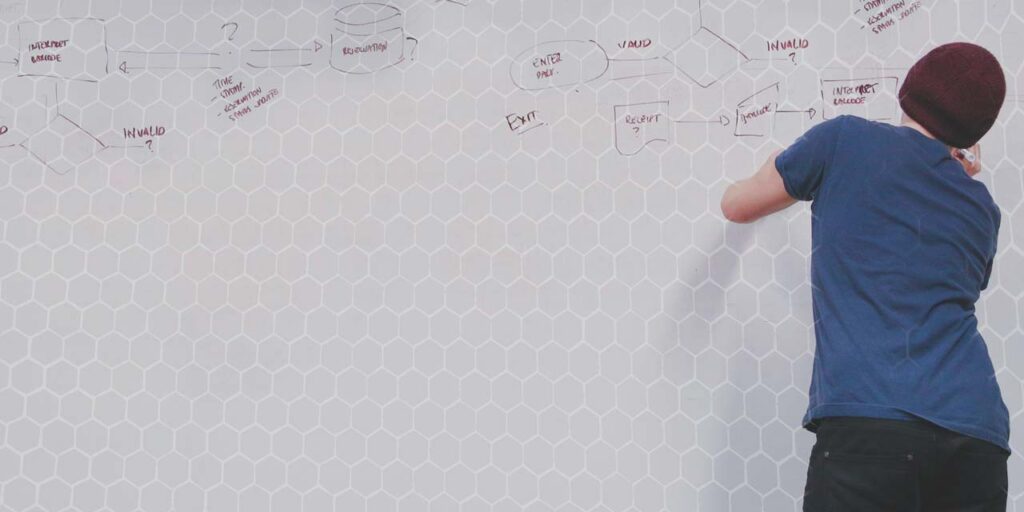
Whiteboarding ideas

While software development differs from aerospace engineering, there are valuable principles and elements from Skunk Works that can be applied to your process:

  1. Innovation Culture: Foster a culture of innovation and encourage team members to think creatively, take calculated risks, and explore unconventional solutions to problems.
  2. Cross-Disciplinary Teams: Assemble diverse teams with expertise in various aspects development, including coding, user experience design, data analysis, and domain-specific knowledge. We have found that interdisciplinary collaboration often leads to innovative solutions.
  3. Rapid Prototyping: Our team uses rapid prototyping and iterative development to build quick (Fail Fast), low-fidelity prototypes to visualize ideas, gather feedback early, and iterate on software solutions based on real-world insights.
  4. Human-Centric Approach: Understanding your users and their needs is crucial to an accelerated pace. It is vital to conduct user research, gather feedback, and design software with the end-user in mind. Human-centric design leads to successful results.
  5. Data-Driven Decision-Making: Once live, leverage data feeds and live analytics to inform future software development. Real-world data provides valuable insights into user behavior and preferences, resulting in informed decisions.
  6. Secrecy and Confidentiality: While not all projects require secrecy, the team should be well-versed at maintaining confidentiality with sensitive or groundbreaking work. Ideas are one of a company’s most valuable assets, safeguarding intellectual property (IP) during development is paramount.
  7. Agile Methodologies: The implementation of industry-standard agile methodologies allow quick adaptation to changing project requirements and market dynamics. Frequent iterations and incremental development allow for flexibility and responsiveness.
  8. Continuous Learning: A culture of continuous learning and adaptation ensures that the team is always seeking ways to enhance their skills and knowledge to “stay ahead of the curve”.
  9. Quality Assurance: Place a strong emphasis on details and quality assurance testing throughout the development process. Thorough testing ensures that our software solutions meet the highest standards of performance, stability and reliability.
  10. Collaboration and Communication: Assure that the team maintains open lines of communication with participants and stakeholders. Effective collaboration and clear documentation of decisions and progress are essential for success.
  11. Scaling Success: Early on in the process consider how to scale effectively exploring future opportunities for expanding features, platforms, or user bases to maximize impact.
  12. Leadership and Vision: Provide strong leadership and a clear vision for development, setting the tone for innovation, commitment to quality, and the pursuit of excellence.

While the aerospace and software industries differ, the principles of innovation, collaboration, agility, and user-centricity can be applied to software development to create innovative and successful solutions.

  • « Go to Previous Page
  • Page 1
  • Interim pages omitted …
  • Page 5
  • Page 6
  • Page 7
  • Page 8
  • Go to Next Page »

Velocity Ascent

© 2026 Velocity Ascent · Privacy · Terms · YouTube · Log in