• Skip to primary navigation
  • Skip to main content
Velocity Ascent

Velocity Ascent

Looking toward tomorrow today

  • Research
  • Design
  • Development
  • Strategy
  • About
    • Home
    • Who we work with…
      • Product Leaders
      • Innovation Teams
      • Founder-Led Organizations
    • Services
    • Contact Us
  • Show Search
Hide Search

Joe Skopek

Fashion Tech: The Present Future of Fashion and Technology

Joe Skopek · October 14, 2024 ·

From “Sketch to Storefront” to AI assisted workflows, the blend of fashion and artificial intelligence is creating limitless possibilities and opening untapped opportunities.

Emerging technology has repeatedly transformed the fashion industry, driving innovation across garment production, retail, and consumer experiences. Just as the sewing machine revolutionized garment-making, today’s machine learning and AI are redefining fashion circularity, optimizing production, enhancing personalization, and streamlining recycling processes.

Technology has dramatically reshaped the fashion industry at key moments.

The sewing machine of the 19th century revolutionized garment production by making it faster, more precise, and accessible to a wider audience through mass production. Its most significant impact was the dramatic reduction in production time for creating garments.
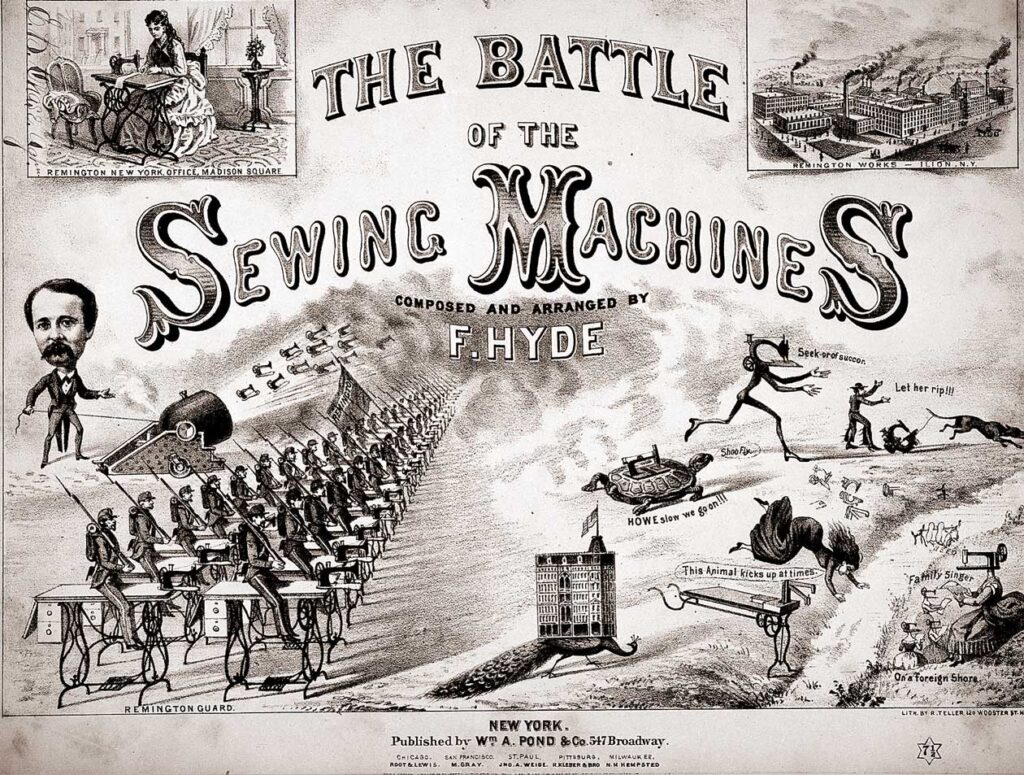
“The Battle of the Sewing Machines” was composed and arranged by F. Hyde for the piano, and was published in 1874. In this image the Remington “army” is marching towards the fleeing Singer, Howe, Succor, Weed, and Willcox & Gibbs sewing machines. 

This increased efficiency led to lower costs, making fashion accessible to a wider audience. Additionally, the sewing machine enabled the standardization of sizes and styles, resulting in more consistent quality and fit. This was a crucial development that laid the groundwork for ready-to-wear fashion.

The increase in precision offered by sewing machines allowed designers to experiment with intricate patterns and styles, pushing the boundaries of creativity. The ability to produce clothing efficiently contributed to the rise of fashion houses and brands, which ultimately paved the way for the modern fashion industry.

Just as sewing machines revolutionized garment making by replacing hand sewing, AI assistance is now streamlining digital production by automating repetitive or mundane tasks once performed by humans.

Creating an uninterrupted digital path from production to consumer.

The rise of e-commerce in the late 1990s revolutionized shopping, with platforms like Amazon and ASOS making fashion more accessible online. This shift pushed traditional retailers to adapt, while fueling the rapid growth of computer-based production solutions, digital marketing and social-driven sales.

Shortly after being introduced social media became a powerful tool with Fashion industry as a leading user, reshaping brand-consumer interactions and marking the beginning of the digital influencer in fashion marketing.

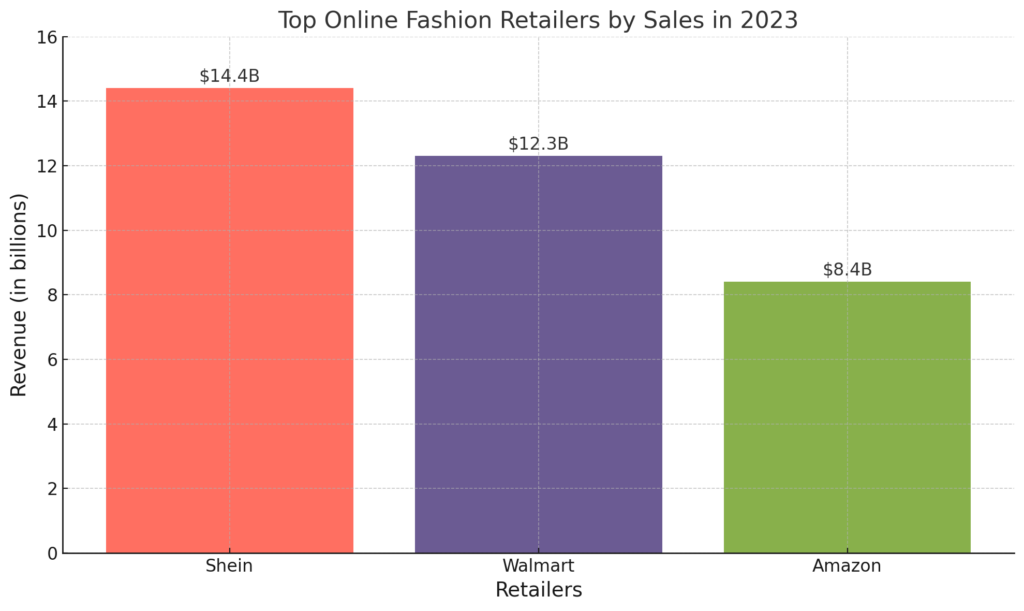
As of 2023, the top three online fashion retailers by sales are Shein, Walmart, and Amazon. Shein leads the market with $14.4 billion in fashion revenues, followed closely by Walmart with $12.3 billion. Amazon, though dominant in various sectors, now ranks third in the fashion space, generating $8.4 billion in 2023. These platforms excel by offering a combination of convenience, affordability, and extensive product assortments.
Traditional brick-and-mortar fashion retailers like Nike, H&M, and Inditex (Zara) have solidified their positions as industry leaders by seamlessly blending their physical store presence with innovative digital strategies, leveraging e-commerce to expand their reach and maintain their market dominance.

As of 2023, brick-and-mortar fashion retailers with strong online sales include:

  1. Nike – Nike leads in both physical and online sales, thanks to its innovative digital strategies such as the Nike App and its direct-to-consumer (DTC) model, which bridges the gap between in-store and online experiences.(A)
  2. H&M – Known for its fast fashion, H&M continues to thrive with a robust online presence, coupled with its global store network. Its focus on e-commerce has helped it remain competitive in the digital era.
  3. Inditex (Zara) – Zara‘s parent company, Inditex, is a major player in both physical and online retail, offering seamless integration between its brick-and-mortar stores and digital platforms, contributing to its top rankings.

Bricks-and-Mortar fashion news: Vogue Business – What Lies Ahead for Brick-and-Mortar Luxury in 2023: Placer.ai

These brands effectively combine their in-store experiences with digital innovations to maintain leadership in both arenas.

The Nike App is an example of Nike’s commitment to innovative digital strategies that go deep. Ready-to-use advice and feature stories on everything from Nike pros to neighborhood teams.

Currently, artificial intelligence has introduced a new era of personalized fashion, with AI tools helping designers analyze trends, streamline production, and create customized shopping experiences through virtual fitting rooms and styling algorithms. At the core of the customized shopping experience is “hyper-personalization”; the use of advanced data, AI, and analytics to deliver highly tailored bespoke experiences that meet individual customer preferences in real time.

Browzwear and LaLaLand.ai are two leading tools in fashion tech.

Each wave of technological advancement has redefined the fashion landscape, pushing the industry toward greater creativity, accessibility, and sustainability. With the growing focus on circularity in fashion, technology is now enabling brands to design for longer product lifecycles, reduce waste, and embrace sustainable practices like recycling and upcycling.

This shift, alongside innovations in AI, 3D printing, and smart textiles, is driving the industry toward a future where sustainability and circularity are core to fashion’s evolution.

Browzwear and LaLaLand.ai are redefining how fashion is created, marketed, and consumed.

Much like the sewing machine did during the Industrial Revolution, Browzwear Browzwear and LaLaLand.ai are redefining how fashion is created, marketed, and consumed. The sewing machine revolutionized garment production by increasing efficiency and allowing for mass production – these modern tools are streamlining design processes and enhancing collaboration in today’s fashion industry.

The sewing machine enabled designers to produce clothing more quickly and affordably, making it accessible to a broader audience. Similarly, Browzwear and LaLaLand.ai are fostering innovation and sustainability by reducing reliance on physical samples and promoting digital solutions. They have created a “Sketch-to-Storefront” digital workflow that takes all aspects of the production cycle and supply chain into account. This shift not only minimizes waste but also allows brands to respond swiftly to market demands and trends.

Browzwear’s 3D fashion design software, reduce days of iterations and reach market faster. The apparel digital twin visualizes and validates every detail, the first physical sample is the only sample.

Moreover, just as the sewing machine transformed individual craftsmanship into a collective industry effort, these technologies enhance creativity and representation in fashion. By enabling diverse designs and virtual models, they contribute to a more inclusive fashion landscape. In essence, the impact of these contemporary tools parallels the profound changes initiated by the sewing machine, driving the fashion industry toward a more innovative, sustainable, and accessible future.
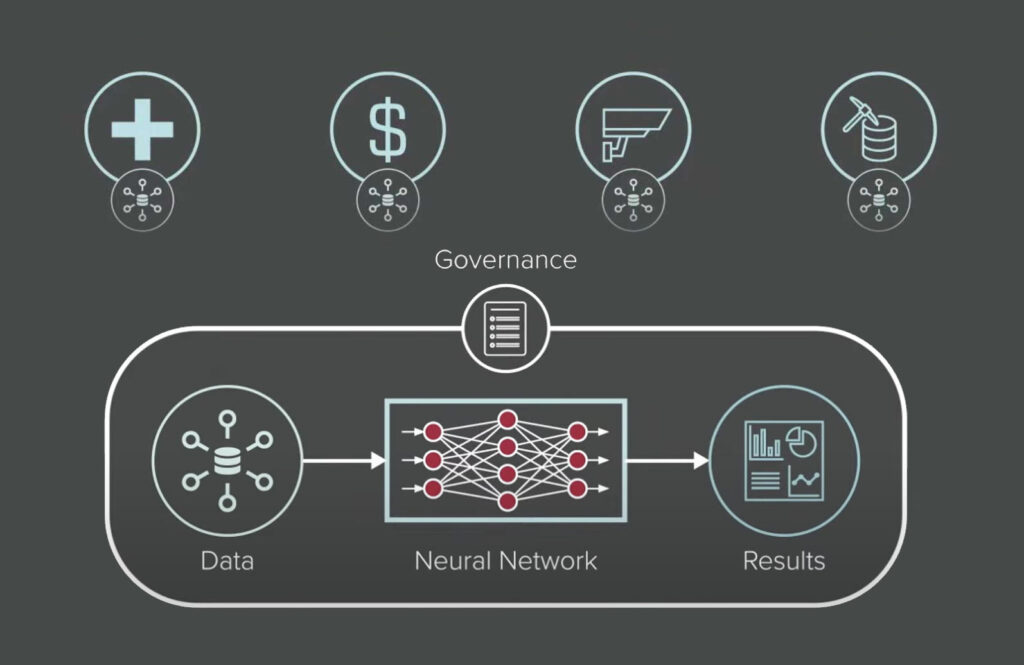



Reality Check: Federated Agentic and Decentralized Artificial Intelligence

Joe Skopek · September 12, 2024 ·

AI is evolving rapidly, and a new approach is gaining momentum: agentic AI. Unlike current tools like ChatGPT, which require human input to operate, agentic AI is designed to act independently – monitoring competitors’ marketing efforts, scheduling real-time content updates, or predicting real-world equipment needs – without waiting for instructions. As these systems take on more autonomy, robust security measures become essential to ensure their actions remain safe, aligned, and trustworthy.

MIT Media Lab – Ramesh Raskar: A Perspective on Decentralizing AI

“A.I. co-pilots, assistants and agents promise to boost productivity with helpful suggestions and shortcuts. “

New York Times, September 2024

While this technology is still in the early stages, it’s being hyped as the next big thing in AI, promising to boost productivity and innovation. However, we’re not there yet – agentic AI is mostly a vision for the future that’s rapidly approaching.

Governance Challenges: Accountability, Regulation, and Security

Governance issues with Agentic AI and decentralized computing stem from a lack of centralized control, making regulation and enforcement difficult across jurisdictions. In decentralized systems, no single authority oversees operations, while in Agentic AI, autonomous decisions raise questions about accountability, such as who is responsible when things go wrong – developers, users, or the AI itself.

Ethical and legal compliance is a significant challenge, as both agentic AI and decentralized systems often operate beyond traditional frameworks, making it difficult to ensure they adhere to laws or ethical guidelines.

Security is another concern. Decentralized systems may suffer from vulnerabilities due to inconsistent protocols, while agentic AI can be manipulated or exhibit harmful behaviors. Existing regulatory frameworks are frequently outdated, creating oversight gaps for these emerging technologies.

Both technologies also face issues with coordination and standardization. Decentralized systems require consensus among many participants, which can slow progress, and agentic AI currently lacks widely accepted standards.

Finally, the lack of transparency in AI decision-making, combined with the difficulty of auditing decentralized systems, further complicates governance and accountability.

This is where Federated Machine Learning offers a compelling solution.

Federated Machine Learning (FedML)

FedML is an approach that enables organizations with limited data – so-called “small data” organizations – to collaboratively train and benefit from sophisticated machine learning models. The definition of “small data” depends on the complexity of the AI task being addressed.

In Pharma, for example, having access to a million annotated molecules for drug discovery is relatively small in view of the vast chemical space.

In Marketing that small data set might be in the form of brand specific visual data – brand guidelines scattered across PDFs, emails, and shared drives.

Image: Jing Jing Tsong/theispot.com

Is Federated Agentic AI the answer?

Federated Agentic AI refers to a blend of two advanced AI concepts: federated learning and agentic AI.

Federated learning enables AI models to be trained across decentralized devices or data sources while keeping the data local and secure, thereby enhancing privacy and scalability. Meanwhile, agentic AI refers to self-contained systems that, once implemented by humans, operate autonomously around the clock. These systems are capable of controlled decision-making and can adapt based on real-time data without further human intervention.

When combined, Federated Agentic AI allows multiple autonomous agents to collaborate across a secure distributed network. These agents can handle tasks independently while continuously learning from local data sources, without needing to share sensitive information across the network. This setup is particularly useful in environments like healthcare, finance, or IoT, where data privacy is critical but complex tasks still require intelligent automation.

For instance, a federated agentic system might be deployed in a network of smart devices where each device autonomously manages specific tasks (e.g., thermostats optimizing energy use) while learning from local data (e.g., weather conditions). These devices can also share insights without revealing user data, improving overall system efficiency and privacy​.

Final Thoughts: Designing for new technology is a completely different challenge from a traditional design project.

Typically, users already know how to interact with familiar products – like swiping a credit card at a payment terminal or using a TV remote to change channels. But with emerging technology, there are no familiar cues, making it harder for users to figure out how to engage with it effectively. Think back to when users first encountered smartphones – there was no clear precedent for touchscreens or gestures, making it challenging to learn entirely new interactions.

Adoption of new tech often lags behind confusion and speculation, so creating a seamless, intuitive user experience is essential for success.

That said, designing something entirely new isn’t easy – but it’s exactly where the team at Velocity Ascent excels. We navigate the space between excitement for emerging technology and the need to deliver real, secure, user-centered value. By following key principles, we transform unfamiliar tech into products that people and teams love to work with.

For CMOs, this means a potential shift in how to approach marketing and customer engagement. As AI becomes more autonomous, the question will be: how do we control and guide these powerful tools to enhance our strategies while still ensuring privacy? Ultimately it is about using AI in smarter, more effective ways to drive business growth.

Sources:

Analytics Vidhya, The GitHub Blog

MIT Media Lab: Decentralized AI Overview

A Perspective on Decentralizing AI

Generative AI: Revolutionizing Video & Image Production

Joe Skopek · August 30, 2024 ·

Video & Imagery Production is undergoing a seismic shift, thanks to the arrival of advanced AI technologies like Midjourney and Runway.

The workflow of video and image production is undergoing a seismic shift, thanks to the merging of advanced AI technologies like Midjourney v6.1 and Runway Gen-3. This powerful combination is more than just a technical marvel; it’s a transformative tool for marketing agencies, revolutionizing the way they approach video content creation.

Accelerating Production with AI Synergy

For marketing agencies, the need to produce high-quality video content quickly and efficiently is paramount. The integration of Midjourney v6.1 and Runway Gen-3 offers a solution by streamlining the pre-production process. These tools allow creators to visualize and animate storyboards at an unprecedented pace, reducing the time it takes to move from concept to final product.

This speed and flexibility mean that agencies can handle more projects simultaneously, increasing their output without sacrificing quality. By automating time-consuming tasks, AI enables teams to focus on refining creative ideas rather than getting bogged down in the technical aspects of production.

Our Experimentation:

We conducted several dozen tests and reviewed numerous articles and papers online to evaluate the integration of Generative AI in early-stage storyboard development for videos and its impact on agency workflows. The results were eye-opening.

Source Image Creation:

For this experiment, the creative brief required the following: the image must include a group of friendly seniors smiling around a smartphone at a picnic table in the summer, during golden hour. The first attempts were promising, and after a few subtle adjustments to the prompt, we began to achieve ‘realistic’ results close to stock photography.

Early experiment generating a group of Seniors.

A good start, but the image looked a bit too ‘Princess Bride,’ with colors that were far too saturated. While it’s possible to use the SREF in Midjourney and a color palette from Adobe Color to color grade your Midjourney imagery, we opted for a more hands-on approach. We created a custom color range tailored to our target, resulting in improved color balance and a higher degree of ‘believability.’ Much of the effort went into refining the output.

Array of images generated during refinement.

Our second goal was to enhance the appearance of the seniors. Initially, they appeared, forgive the ageism, too old for our demographic requirements. Finally, we adjusted the prompt to eliminate unwanted artifacts, such as seniors holding two phones instead of one and glasses melting into the table.

Final image chosen for use in video storyboard.

The final image did more than achieve the creative brief baseline requirements – it created a “feeling”. You can almost feel the warmth of a late summer day and the joy of the gathered Seniors. With the image and prompts finalized our next step was to move over to Video Gen.

Video Generation:

Since we would just be using AI Video Generation as a storyboard and not for broadcast we ran the first series as “vanilla prompts”. This allowed us to quickly generate action that could be placed in the storyboard sample with lots of room for feedback and adjustment.

Early stage test of AI Generative Video

Our initial tests yielded the expected otherworldly creations; the video starts off normally but quickly spirals into a surreal, science fiction fever-dream with all but one of the Seniors sliding into oblivion. Applying a revised prompt set and rethinking the scene resulted in a new direction more in line with the requirements.

Late stage test of AI Generative Video

The results are nothing short of fascinating, the motion is smooth and the Seniors appear to be in a natural setting acting normally. There are still some anomalies that are fine-tuned out of the finished video. For example in the sample video above you will notice on the left side of the scene the smartphone morphs into the pint glass. A few more edits to the prompt will resolve this.

Given the time and resources typically needed for custom video production or extensive research across stock agencies, the speed of this process is remarkably faster. Even more exciting is that we are only at the dawn of this technology.

Cost Reduction and Enhanced Creative Output

The financial benefits of this AI-driven approach are significant. By reducing the time and resources required for video production, agencies can lower costs for their clients while delivering even more compelling content. This efficiency opens up opportunities for smaller businesses to access high-quality video production, which was previously only within reach of larger companies with bigger budgets.

Moreover, the enhanced creative capabilities of these AI tools allow for rapid prototyping and experimentation. Agencies can quickly test and iterate on ideas, ensuring that the final product aligns perfectly with the client’s vision. This ability to fine-tune creative concepts on the fly is a game-changer for marketing campaigns, where the margin for error is often slim.

While AI can automate certain aspects of video creation, it lacks the nuanced understanding of brand voice, audience preferences, and emotional resonance that only human creators can bring.

The Human Element: Essential and Irreplaceable

Despite the incredible advancements in AI technology, the human element remains crucial in the production process. While AI can automate certain aspects of video creation, it lacks the nuanced understanding of brand voice, audience preferences, and emotional resonance that only human creators can bring.

The role of the human in this AI-driven workflow is to guide and shape the creative direction, ensuring that the content not only meets technical standards but also connects with viewers on a deeper level. AI tools serve as powerful assistants, augmenting human creativity but never replacing it. This collaboration between human ingenuity and machine efficiency is where the true potential of AI in video production lies.

Transforming the Advertising and Entertainment Industries

The impact of this AI merging extends beyond marketing agencies to the broader advertising and entertainment industries. The ability to rapidly prototype ideas and create high-quality visual content democratizes the production process, making it accessible to a wider range of creators, from seasoned professionals to enthusiastic hobbyists.

As this technology continues to evolve, we’re likely to see a shift in how visual media is consumed and interacted with. The lines between imagination and realization are becoming increasingly blurred, allowing for more immersive and personalized storytelling experiences.

Impact on Traditional Video Production:

AI tools are transforming video production by automating many aspects of the process, such as editing, special effects, and even scriptwriting. This automation can greatly speed up production timelines and reduce costs, enabling agencies to produce more content with fewer resources. For smaller teams or independent creators, AI provides access to high-quality production tools that were once out of reach.

However, this increased efficiency could lead to a reduction in the demand for certain roles, such as video editors, animators, and even directors. As AI becomes more sophisticated, the need for manual intervention in repetitive or technical tasks will decrease, potentially leading to job losses in these areas.

Impact on Stock Agencies:

AI-generated content also poses a challenge to traditional stock agencies. With AI tools capable of creating high-quality images, videos, and even audio, the reliance on stock libraries may diminish. Creators can now generate custom content tailored to their specific needs without having to sift through existing libraries. This shift could reduce demand for traditional stock footage and images, impacting the revenue streams of stock agencies.

Potential Job Losses:

While AI has the potential to displace certain jobs, it’s important to recognize that it also creates new opportunities. Jobs focused on AI tool development, data analysis, and AI integration into creative processes will likely grow. Additionally, roles that require a high degree of creativity, strategic thinking, and emotional intelligence—skills that AI currently cannot replicate—will remain essential.

The key for professionals in the industry will be to adapt to these changes by learning to work alongside AI, using it as a tool to enhance their capabilities rather than viewing it as a replacement. Those who can harness the power of AI to augment their creativity and productivity will find new opportunities in the evolving landscape of video production and stock media.

The importance of the human touch in this process cannot be overstated.

The Future of Storytelling

The future of video production is here, and it’s powered by AI. For marketing agencies, embracing this technology means not only staying competitive but also pushing the boundaries of what’s possible in creative content creation.

However, the importance of the human touch in this process cannot be overstated. As we move forward into this new era of AI-driven production, the collaboration between human creativity and AI efficiency will be the key to unlocking new levels of innovation and storytelling.

AI and Efficiency: A Lazy Person Will Find an Easier Way—But Should They?

Joe Skopek · August 26, 2024 ·

You may be aware of the expression “A lazy man will always find an easier way”*. I first heard it from a custodian where I was working nights to raise money for university. One dinner break he explained his method for achieving 8 hours of work in 4 on the night shift. He had devised a system of optimizing speed while limiting the total number of footsteps required to clean 12 classrooms an evening.

I won’t detail his method here but I will say it was far better thought out than a few high-tech startup ideas I have been pitched. In this context of efficiency we can consider that “lazy” refers to a person who seeks to avoid effort or exertion by finding shortcuts or easier methods.

The statement can also be hailed as a testament to the entrepreneurial spirit emphasizing the pursuit of efficiency and optimization. History is replete with instances where individuals, driven by a desire to minimize effort, have sparked innovation and transformed industries.

Examining Efficiency through the Lens of Innovation

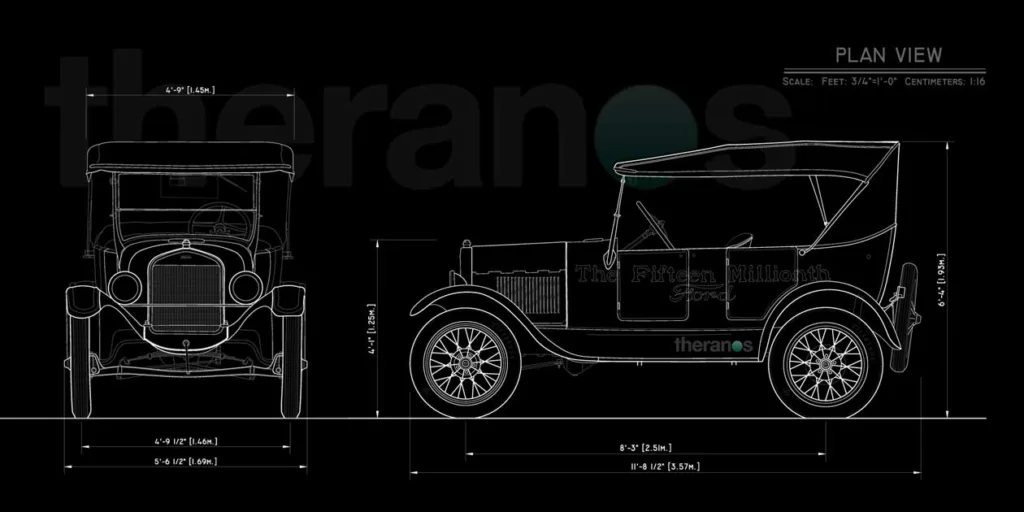
Take, for example, the advent of assembly line production pioneered by Henry Ford. Ford was inspired by the meat-packing houses of Chicago and a grain mill conveyor belt he had seen. If he brought the work to the workers, they spent less time moving about.


It’s an interesting perspective to consider how certain traits, like what some may perceive as “laziness,” can play a role in someone’s success. In the case of Henry Ford, it’s not necessarily that he was lazy in the conventional sense, but rather that he was known for his desire to find easier and more efficient ways of doing things.

Ford famously said, “I believe that the average farmer puts to a really useful purpose only about 5% of the energy he expends. Not only is everything done by hand, but seldom is a thought given to a logical arrangement.”

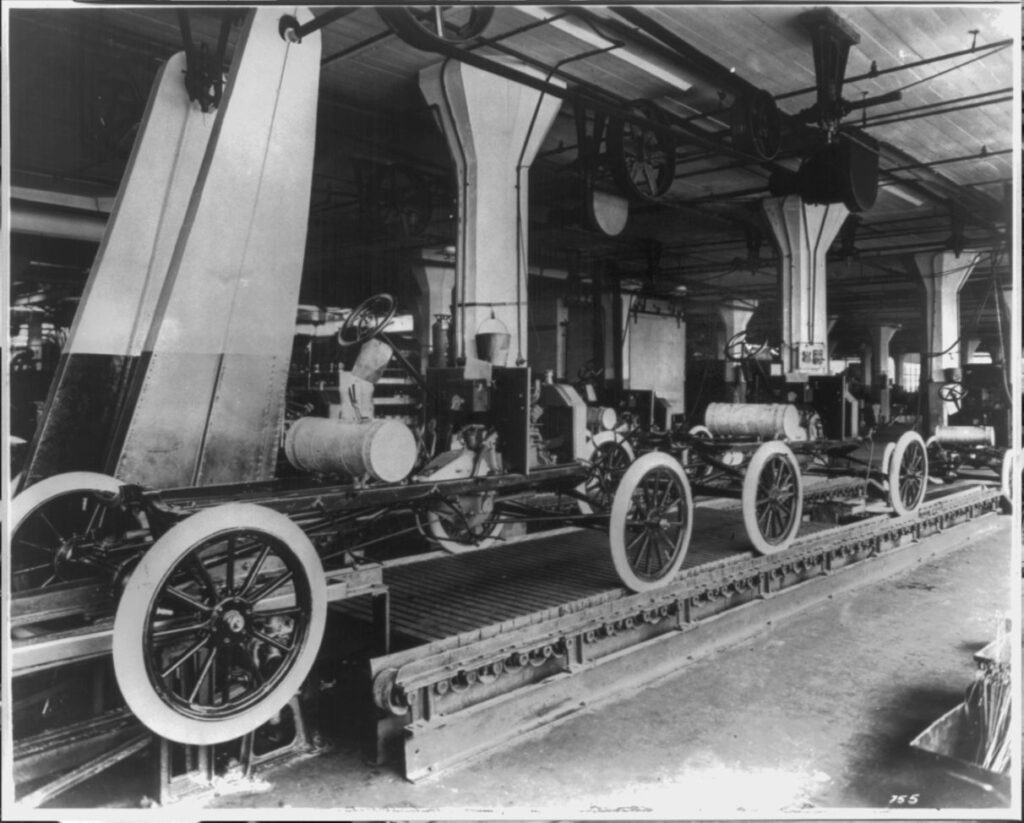
Assembly line at the Ford Motor Company’s Highland Park plant ca. 1913.

No offense to our Mr. Ford but working farms tend to be pretty well thought out. This sentiment does however clearly reflect Ford’s disdain for inefficiency and his drive to streamline processes.

By streamlining the manufacturing process, Ford not only revolutionized the automotive industry but also exemplified how laziness, when channeled effectively, can lead to remarkable advancements in productivity and profitability.

A cautionary tale…

On the flip side, however, the notion that laziness inherently leads to innovation warrants scrutiny. While it’s true that seeking shortcuts can spur creativity, it can also breed complacency and undermine quality.

Elizabeth Holmes, Chairman, CEO, and Founder of Theranos, speaks on stage with TechCrunch writer and moderator Jonathan Shieber at TechCrunch Disrupt at Pier 48 on September 8, 2014.

Consider the case of Theranos, the health technology startup company founded by Elizabeth Holmes. Driven by the desire to revolutionize blood testing, Holmes embarked on an ambitious journey to simplify the process, but the challenge of raising substantial funds intensified the pressure, pushing her to deliver results in an increasingly high-stakes environment.

In the end her relentless pursuit of a shortcut, and failure to heed the feedback of the Chief Scientist, led to fraudulent practices and ultimately the downfall of the company, it’s investors, and Holmes. This cautionary tale underscores the importance of distinguishing between the concepts of constructive laziness that drives innovation and reckless laziness that invites disaster.

It’s essential to recognize that not all shortcuts are created equal.

While the concept of “finding an easier way” can indeed catalyze innovation, it’s essential to recognize that not all shortcuts are created equal. In the dynamic landscape of business, embracing “laziness” as a catalyst for efficiency requires a nuanced approach. It demands a balance between recognizing opportunities for optimization and maintaining a steadfast commitment to quality and integrity.

Using Ford’s assembly line as a starting point we will dissect seven core elements across three categories; the “Lesson” learned from Ford’s experience, a “Modern Challenge” faced today, and finally how the “Application” of AI to the challenge provides a solution.

1. Efficiency and Scalability:

  • Lesson: The assembly line allowed Ford to produce cars faster and at a lower cost by breaking down the production process into smaller, repeatable tasks.
  • Modern Challenge: Today, businesses face the challenge of increasing workflow efficiency while maintaining a healthy work-life balance for employees.
  • Application: AI and Large Language Models (LLMs) can assist businesses in automating repetitive tasks, streamlining processes, and improving decision-making. For example, AI can handle routine customer service inquiries, allowing human employees to focus on more complex and creative tasks. This not only increases productivity but also respects the human need for meaningful work, contributing to a better quality of life and a healthier, more productive workforce. By leveraging AI responsibly, companies can scale their operations without compromising employee well-being.

2. Standardization:

  • Lesson: Ford standardized parts and processes, enabling the production of large quantities of cars with consistent quality, which also simplified repairs and maintenance for consumers.
  • Modern Challenge: In today’s fast-paced environment, businesses must maintain consistent quality across their offerings while adapting to rapid changes in technology and customer expectations.
  • Application: AI and LLMs can help standardize business processes such as data entry, document management, and content creation, ensuring consistency and accuracy across all outputs. For instance, an AI-driven content management system can automatically format and proofread documents, reducing errors and maintaining a high standard of quality. At the same time, these tools can be configured to allow for flexibility and creativity where needed, ensuring that the human touch remains integral to the business.

3. Customer-Centric Innovation:

  • Lesson: The assembly line made cars affordable to the average American, transforming them from luxury items into necessities by focusing on making products accessible to a broader market.
  • Modern Challenge: Companies today need to innovate in ways that resonate with diverse customer bases, often with varying needs and preferences, while maintaining inclusivity and accessibility.
  • Application: AI and LLMs can analyze vast amounts of customer data to identify trends and preferences, enabling businesses to tailor products and services to meet specific market demands. For example, personalized AI-driven marketing campaigns can ensure that different customer segments receive relevant offers and communications. This approach not only enhances customer satisfaction but also promotes inclusivity, ensuring that products and services are accessible to all, regardless of background or ability.

4. Iterative Improvement:

  • Lesson: Ford continually refined the assembly line process, improving efficiency, reducing waste, and lowering costs through an iterative approach.
  • Modern Challenge: Businesses today must constantly innovate and improve to stay competitive in a rapidly changing market, all while managing the potential burnout of employees from continuous change.
  • Application: AI and LLMs can facilitate iterative improvement by providing real-time analytics and feedback, helping businesses refine their strategies and products more effectively. For example, AI can monitor production processes and suggest optimizations, reducing waste and improving quality over time. Importantly, these tools can be designed to support employee workflows, offering suggestions without overwhelming workers, thereby promoting sustainable innovation that considers both efficiency and employee well-being.

5. Cost Reduction and Affordability:

  • Lesson: The assembly line drastically reduced the cost of producing cars, allowing Ford to lower prices and make the Model T affordable for the masses.
  • Modern Challenge: Today, companies must find ways to reduce costs without compromising on quality, while also addressing the growing demand for ethical and sustainable business practices.
  • Application: AI and LLMs can help reduce costs by optimizing supply chain management, reducing energy consumption, and predicting maintenance needs. For instance, AI-driven predictive maintenance can lower the costs associated with equipment failure, ensuring that operations run smoothly and resources are used efficiently. By integrating AI in ways that also promote sustainable practices, businesses can reduce costs while maintaining a commitment to ethical production, ultimately making high-quality products more affordable and accessible.

6. Labor Specialization and Team Efficiency:

  • Lesson: By assigning workers to specific tasks, Ford improved productivity and reduced the time needed for training, maximizing efficiency.
  • Modern Challenge: Businesses today must balance the need for specialized roles with the need for employees to feel engaged and valued in their work, avoiding the pitfalls of repetitive or monotonous tasks.
  • Application: AI and LLMs can take over repetitive or mundane tasks, allowing employees to focus on more complex, specialized work that requires human creativity and problem-solving. For example, AI can handle data processing or routine administrative tasks, freeing up employees to engage in strategic planning or creative endeavors. This not only improves overall team efficiency but also enhances job satisfaction by allowing workers to focus on areas where they can make the most meaningful contributions.

7. Vision and Long-Term Thinking:

  • Lesson: Ford’s vision extended beyond simply building cars; he aimed to make them accessible to the general public, a long-term strategy that drove his success.
  • Modern Challenge: Companies today must develop long-term strategies that balance innovation, market demands, and sustainability, all while navigating the complexities of a globalized economy.
  • Application: AI and LLMs can assist in long-term strategic planning by analyzing market trends, predicting future scenarios, and providing insights into emerging opportunities. For instance, AI can model the potential impact of different business strategies over time, helping leaders make informed decisions that align with both short-term goals and long-term visions. By leveraging AI to support strategic decision-making, companies can ensure that their vision is both innovative and sustainable, taking into account the well-being of all stakeholders involved.

Let’s review three examples where this concept was embraced successfully at Amazon, Google and :

1. Amazon’s One-Click Ordering

Scenario: Jeff Bezos, inspired by the idea of minimizing customer effort, sought to reduce the friction in the purchasing process.

Outcome: Amazon developed the “One-Click” ordering system, which allows customers to purchase items with a single click, bypassing the traditional multi-step checkout process. This simplification not only improved the customer experience but also increased conversion rates and sales by removing barriers to purchase.

2. Google’s Search Algorithm

Scenario: Google co-founders Larry Page and Sergey Brin recognized that users were spending too much time sifting through irrelevant search results.

Outcome: Google developed an advanced search algorithm that prioritizes the most relevant results based on user queries and browsing history. This innovation significantly reduced the time and effort users needed to find information, making the search process faster and more efficient.

3. CallMiner’s Automated Customer Service Chatbots

CallMiner is the Leader in the Forrester Wave™: Conversation Intelligence for Customer Service, Q3 2023

Scenario: Companies faced increasing volumes of customer service inquiries, leading to inefficiencies and high operational costs.

Outcome: Many businesses adopted automated customer service chatbots to handle routine queries and tasks. These chatbots reduce the need for human intervention in repetitive scenarios, thereby streamlining customer service operations, reducing response times, and allowing human agents to focus on more complex issues.

With business efficiency leveraging breakthroughs in AI, a lazy person will find an easier way!

With efficiency increasingly’ leveraging breakthroughs in AI, a lazy person will inevitably find an easier way—often through a bit of creative disruption.

What might initially appear as a “lazy” approach has, time and again, sparked significant improvements in efficiency and user satisfaction. By embracing this unconventional mindset, organizations can tap into the power of simplicity, automation, and even a touch of disorder, to drive meaningful, innovative improvements. Maybe lazy thinking is exactly what’s needed to shake things up, try a new perspective and achieve smarter, more effective solutions.

*Title updated to reflect change in common language.

Unveiling the Evolution of AI Video Generation: Pioneers, Techniques, and Modern Applications

Joe Skopek · May 8, 2024 ·

The fascinating journey of AI video generation, tracing the pioneers, exploring cutting-edge techniques, and discovering modern applications.

Introduction: The realm of artificial intelligence (AI) has witnessed remarkable advancements in recent years, with one of its most intriguing applications being AI video generation. This blog post embarks on a comprehensive journey through time, unraveling the history, techniques, pioneers, modern applications, and ethical implications of AI video generation.

Music Video example created by the author during discovery for this post.

The Genesis of AI Video Generation: In its nascent stages, AI video generation faced formidable challenges. Early attempts often resulted in crude outputs, plagued by artifacts and inconsistencies. However, the landscape began to shift with the advent of neural networks, particularly deep learning architectures.

Early Attempts and Limitations: Early attempts at AI video generation were constrained by computational limitations and the lack of sophisticated algorithms. Rule-based systems struggled to capture the complexity and nuances of natural video scenes, leading to unsatisfactory results characterized by artifacts and distortions.

Emergence of Neural Networks: The emergence of neural networks, fueled by advances in hardware and algorithmic innovation, heralded a new era of possibilities for AI video generation. Deep learning architectures, characterized by multi-layered networks capable of hierarchical feature representation, offered unprecedented capabilities in synthesizing realistic video content.

Example created by the author during discovery for this post.

Pioneers in AI Video Generation: Among the trailblazers in this domain is Ian Goodfellow, whose pioneering work on Generative Adversarial Networks (GANs) revolutionized AI-generated content. GANs, through a competitive process between a generator and a discriminator, excel in synthesizing realistic images and videos.

Ian Goodfellow: GANs and Image Synthesis: Ian Goodfellow’s seminal paper on Generative Adversarial Networks (GANs) laid the foundation for a new paradigm in AI video generation. By pitting a generator network against a discriminator network in a game-theoretic framework, GANs achieve remarkable proficiency in synthesizing realistic images and videos.

Alexey Dosovitskiy: Video Prediction Networks: Another luminary in the field is Alexey Dosovitskiy, whose research on Video Prediction Networks (VPNs) paved the way for predictive modeling of dynamic scenes. By leveraging recurrent neural networks (RNNs) and convolutional layers, VPNs demonstrate remarkable proficiency in generating coherent video sequences.

Fei-Fei Li: Advancements in Computer Vision: Fei-Fei Li, renowned for her contributions to computer vision, has significantly influenced AI video generation through advancements in perceptual understanding and scene understanding. Her research endeavors have enhanced the fidelity and realism of AI-generated videos.

Techniques Behind AI Video Generation: At the heart of AI video generation lie sophisticated techniques, chief among them being Generative Adversarial Networks (GANs). GANs employ a dual-network architecture, wherein the generator fabricates data samples while the discriminator distinguishes between real and synthetic data.

Generative Adversarial Networks (GANs): Generative Adversarial Networks (GANs) form the bedrock of AI video generation, leveraging adversarial training to generate realistic video content. Through an iterative process of refinement, GANs learn to synthesize video sequences that exhibit high fidelity and perceptual realism.

Variational Autoencoders (VAEs): Variational Autoencoders (VAEs) enable the synthesis of diverse and high-fidelity video content by modeling data distribution in a latent space. By encapsulating data variability in a probabilistic framework, VAEs facilitate the generation of novel video sequences with controllable attributes.

Recurrent Neural Networks (RNNs) and Long Short-Term Memory (LSTM): Recurrent Neural Networks (RNNs) and LSTM networks excel in capturing temporal dependencies, facilitating the generation of coherent and contextually rich video sequences. Their recurrent nature enables the synthesis of video content with long-term coherence and contextual relevance.

Transformer Models: Transformer models, exemplified by architectures such as the Transformer and its variants, have emerged as powerful tools for AI video generation. By leveraging self-attention mechanisms and parallel processing, Transformer models excel in capturing long-range dependencies and modeling complex interactions within video sequences.

San Francisco 1906 in color remastered with sound design.

Modern Applications of AI Video Generation: The proliferation of AI video generation has engendered a plethora of modern applications, spanning diverse domains ranging from entertainment to education and beyond.

Deepfake Technology: Deepfake technology, fueled by AI algorithms, has redefined the landscape of video manipulation, blurring the lines between reality and fabrication. From creative endeavors in filmmaking to malicious manipulation in disinformation campaigns, deepfakes have elicited both awe and apprehension.

Video Enhancement and Restoration: AI-driven video enhancement and restoration techniques offer a new lease of life to archival footage, mitigating noise and enhancing visual quality for diverse applications. From digital preservation to forensic analysis, these advancements hold immense potential in enhancing the accessibility and fidelity of video content.

Virtual Reality and Augmented Reality: The fusion of AI video generation with virtual and augmented reality heralds a new era of immersive experiences, redefining the boundaries of storytelling and simulation. From lifelike simulations to interactive storytelling, AI-generated videos enrich the fabric of virtual environments, transcending conventional boundaries.

Film and Entertainment Industry: The film and entertainment industry has embraced AI video generation as a powerful tool for content creation and storytelling. From visual effects and CGI rendering to virtual actors and dynamic scene generation, AI-driven technologies are reshaping the creative landscape and pushing the boundaries of imagination.

Education and Training: In the realm of education and training, AI video generation holds immense promise for immersive learning experiences and skill development. From interactive tutorials and simulations to personalized learning environments, AI-generated videos empower learners with engaging and impactful educational content.

Ethical and Societal Implications: Amidst the proliferation of AI video generation, concerns pertaining to ethics and societal impact loom large. The rampant misuse of deepfake technology for malicious purposes underscores the urgent need for robust safeguards and regulatory frameworks.

Misuse of Deepfake Technology: The misuse of deepfake technology underscores the urgent need for robust safeguards and ethical guidelines to mitigate the proliferation of misinformation and malicious manipulation. From imperson

  • « Go to Previous Page
  • Page 1
  • Page 2
  • Page 3
  • Go to Next Page »

Velocity Ascent

© 2026 Velocity Ascent · Privacy · Terms · YouTube · Log in